
Think you’re the only one with a head of lettuce rotting in the back of the fridge? Think again: Food waste is a massive problem in American households, and it could all boil down to a labeling debate.
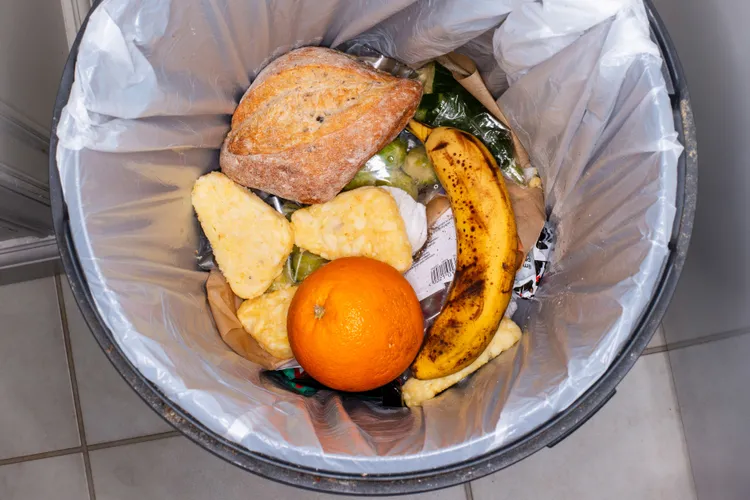
The average American tosses more than $700 in “edible food” every year, partly due to misinformation about food labeling, according to a new report from the loan platform NetCredit. The report draws on the Environmental Protection Agency’s (EPA) 2025 findings, which estimate that Americans waste $728.14 in food per capita each calendar year by treating “Use-By” or “Sell-By” dates as firm deadlines, improperly storing bulk staples, and engaging in other wasteful habits. NetCredit incorporated national data on population and household size — useful for determining the most impactful states — along with a consumer survey of 2,000 residents. All data is current as of January 2025.
What’s the Difference Between ‘Sell By,’ ‘Use By,’ and ‘Best By’ Dates?
Perishables like bread, lettuce, milk, and chicken are major contributors to food waste, according to NetCredit’s latest findings. Americans estimate they toss 22.7% of all bread and 22.6% of all lettuce purchased.
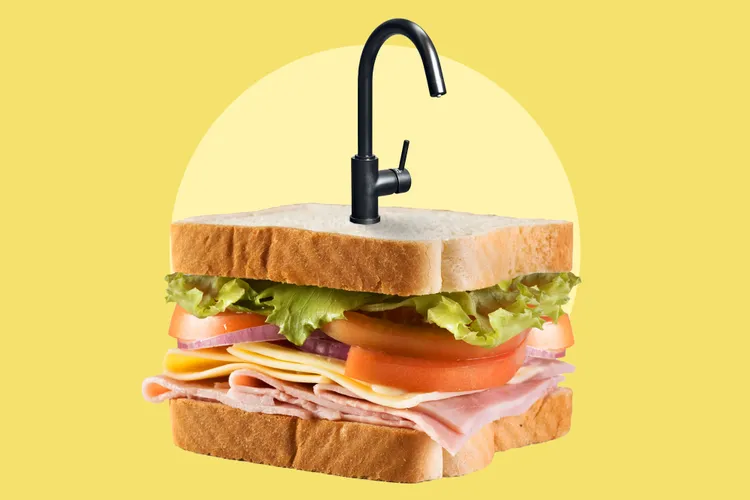

Tweaking fridge cleanout strategies could help budget-strapped families save on groceries, suggests Matt Pelkey, NetCredit’s content strategy manager. “Wasted food adds up quickly. Our study found that households in Utah, for example, could save more than $2,000 a year by eliminating food waste,” Pelkey explains. “Reducing waste is one practical way households can stretch their budgets without changing what they buy — just how they use it.”